Redefining the Diabetes Narrative
A diagnosis of Type 2 Diabetes or Prediabetes is often met with fear and a sense of inevitability. For too long, the standard medical advice has been to “manage the decline”—to use medications to keep blood sugar within a safe range while the underlying disease continues to progress.
At Nutra, we view Diabetes differently. While Type 1 Diabetes requires careful insulin management, Type 2 Diabetes is primarily a disease of nutritional and metabolic dysfunction. Our clinical nutrition plans are designed not just to “manage” your blood sugar, but to address the root cause: Insulin Resistance.
This guide provides a deep dive into the pathophysiology of diabetes and the nutritional strategies that can help you reclaim your metabolic health.
The Physiology of Glucose Homeostasis
To master diabetes, one must understand the “Glucose-Insulin Dance.” Every time you eat carbohydrates, they are broken down into glucose (sugar), which enters the bloodstream. The pancreas secretes insulin to act as a “key,” allowing that sugar to enter your cells for energy.
In Type 2 Diabetes, the “locks” on your cells become rusty. This is Insulin Resistance. Because the sugar can’t get into the cells, it stays in the blood, damaging arteries, nerves, and organs. The pancreas responds by pumping out more and more insulin, which—as we discussed in our weight management guide—promotes fat storage and inflammation.
The Nutra Goal: We aim to increase Insulin Sensitivity. We want to oil those “rusty locks” so your body can handle glucose efficiently with as little insulin as possible.
The Glycemic Index (GI) vs. The Glycemic Load (GL)
* Glycemic Index (GI): A measure of how quickly 50g of a specific carbohydrate raises blood sugar.
* Glycemic Load (GL): A measure that accounts for the quantity of the food and the fiber content.
For example, watermelon has a high GI but a very low GL because it is mostly water. Conversely, a large bowl of “healthy” brown rice might have a moderate GI but a massive GL, causing a prolonged sugar spike. Nutra plans focus on Low-GL living, ensuring your blood sugar remains a “rolling hill” rather than a “mountain range.”




The Power of Macronutrient Sequencing
How you eat is often as important as what you eat. Clinical studies have shown that the order in which you consume food during a single meal can change the post-prandial (after-meal) glucose spike by up to 50%.
The Nutra Sequence:
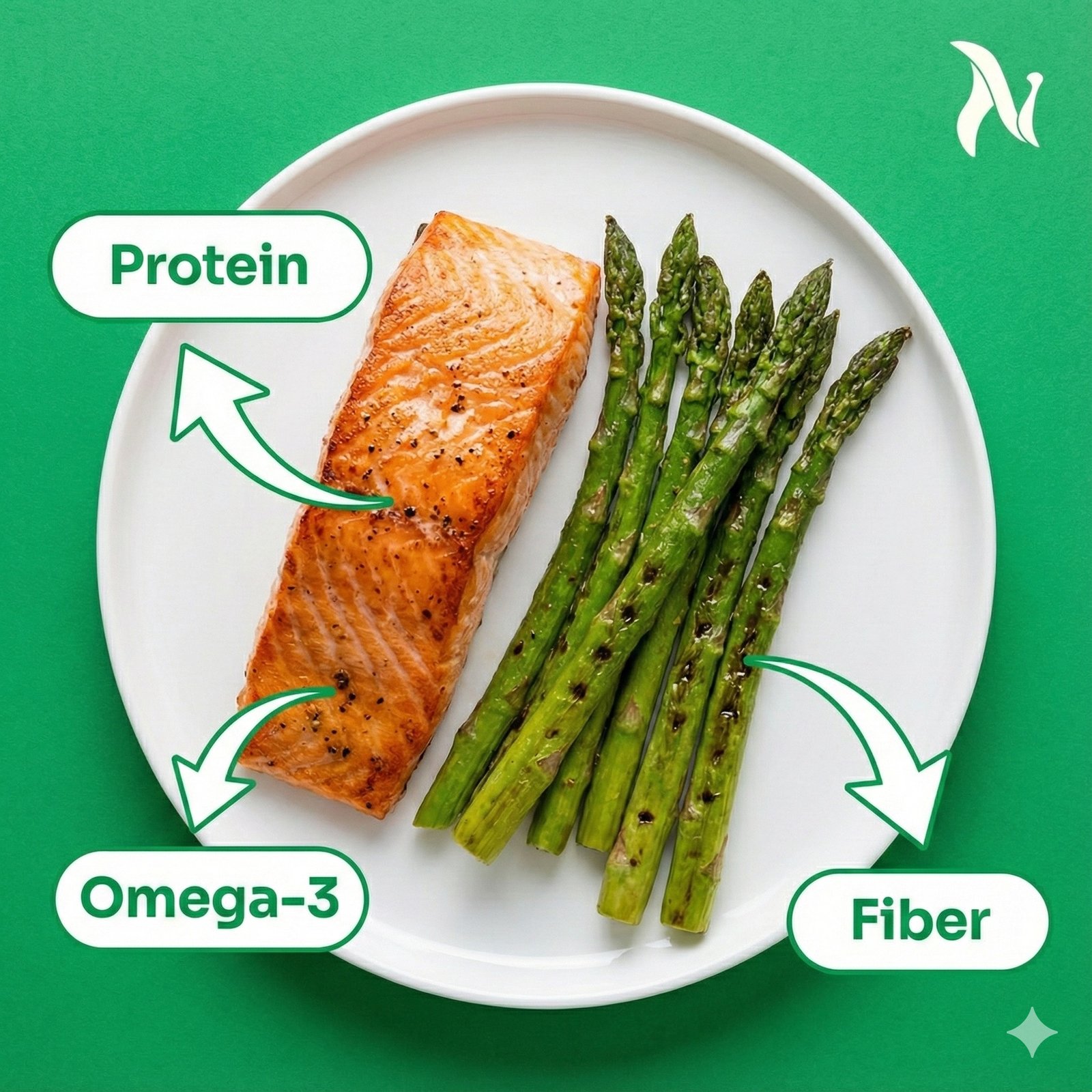
- Fiber First: Start with a salad or non-starchy vegetables. Fiber coats the small intestine, slowing the absorption of glucose.
- Proteins and Fats Second: These further slow gastric emptying (how fast food leaves the stomach).
- Starches and Sugars Last: By the time the carbohydrates hit your system, the fiber and protein have already created a “buffer,” preventing a massive spike.

The Role of Micronutrients in Glucose Metabolism
Standard diabetes advice often ignores the “spark plugs” of the metabolism: vitamins and minerals. Without specific micronutrients, the chemical reactions required to burn sugar cannot happen.
* Magnesium: Over 50% of diabetics are deficient in Magnesium. It is a critical cofactor for the insulin receptor itself.
* Chromium: This trace mineral enhances the action of insulin.
* Alpha-Lipoic Acid (ALA): A powerful antioxidant that has been shown to improve insulin sensitivity and reduce symptoms of diabetic neuropathy (nerve pain).
* Vitamin D: Low levels are strongly linked to an increased risk of insulin resistance.
A Nutra plan includes a “Micronutrient Audit” to ensure your body has the raw materials it needs to repair its metabolic machinery.
Exercise as "Non-Insulin Mediated" Glucose Uptake
One of the most powerful “medicines” for diabetes is movement. When your muscles contract during exercise, they can actually pull glucose out of the bloodstream without needing insulin. This is a biological “backdoor.”
We work with our clients to implement “Glucose Walks”—short, 10-minute walks immediately after meals. This simple clinical intervention uses the muscles to “sponge up” the sugar spike before it can do damage to the vascular system.